We’re definitely not in Kansas anymore. The Warsaw Cemetery is a massive place, surrounded by high brick walls and crossed by cobblestone paths. Its very being washed away our travel fatigue and subtlety proclaims, “Now we begin.”
The cemetery has no neat rows, no symmetry or straight lines. Each plot has its own personality, each stone tells a story. One monument is four marble pillars, seven feet tall. Another is covered in intricate carvings depicting the deceased’s career in Yiddish theater. A third is covered in creeping vines and surrounded by flowers. Everything deep in shadow cast by thick branches on ancient trees.
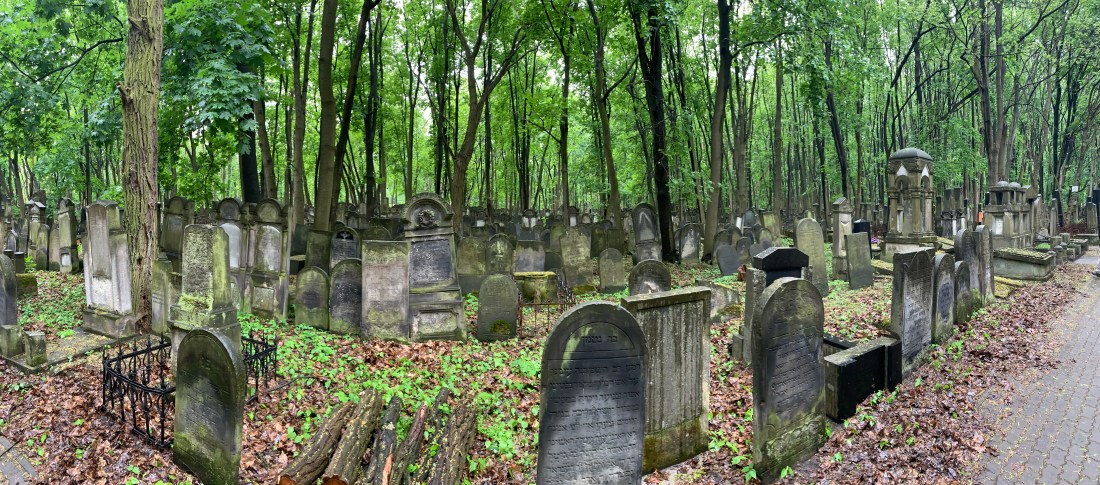
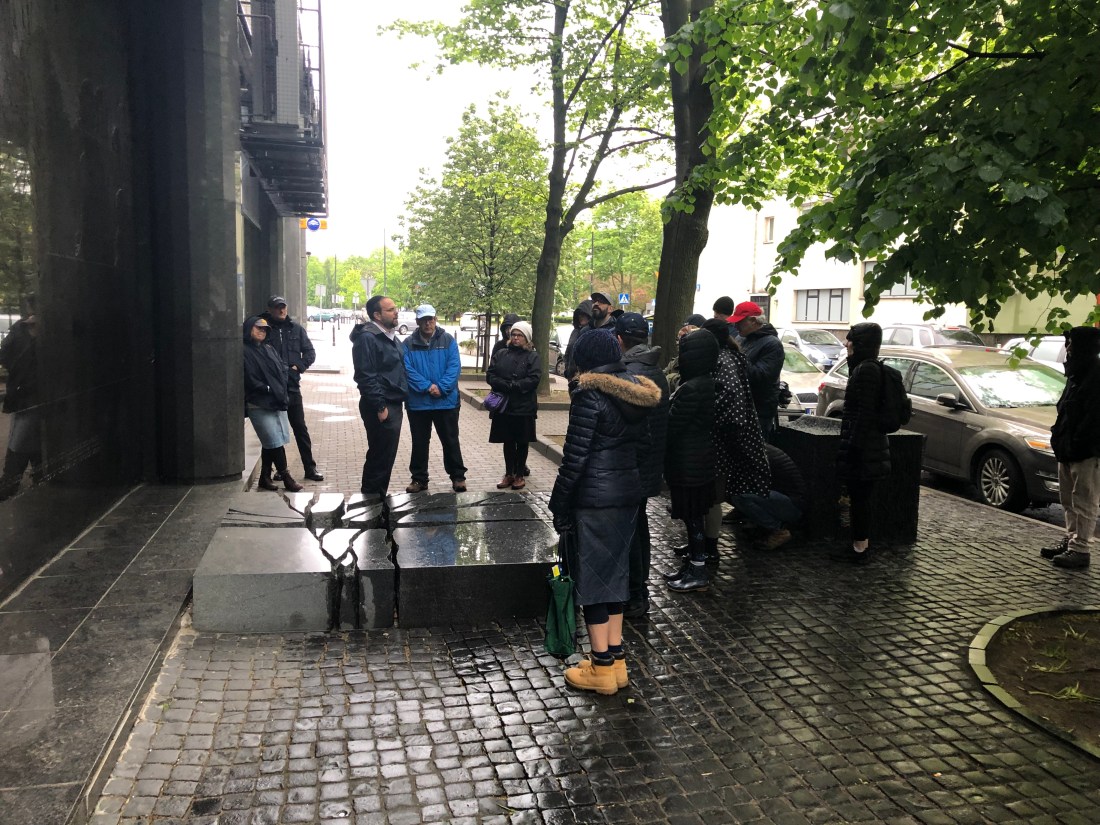
It’s fitting that it continues to rain as we walk between the mass graves of 100,000 Jews who died from starvation and disease in the Warsaw Ghetto. The ghetto itself does not exist anymore. Where there were 300,000 thousand Jews there is now a museum and some monuments outside newly constructed apartment buildings.
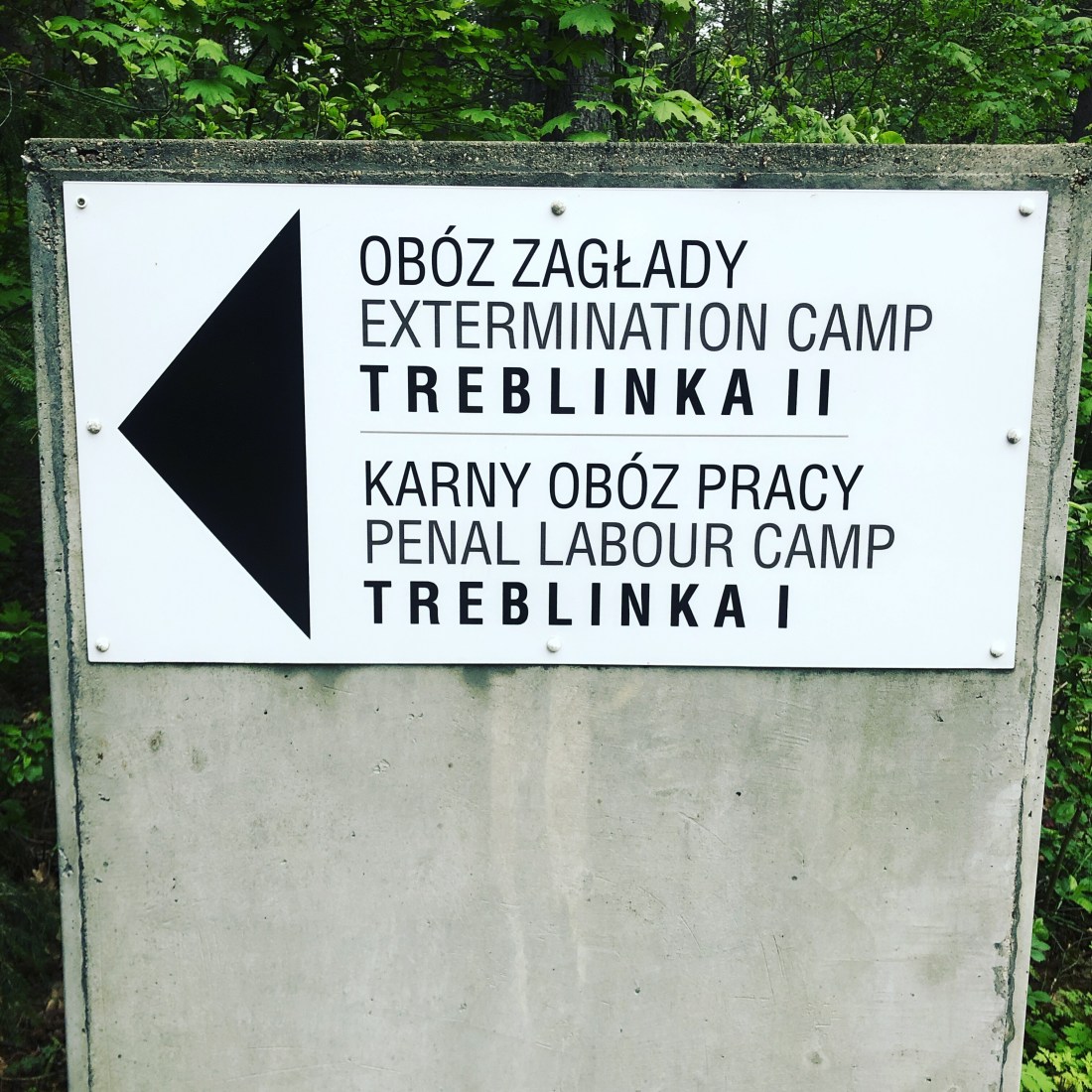
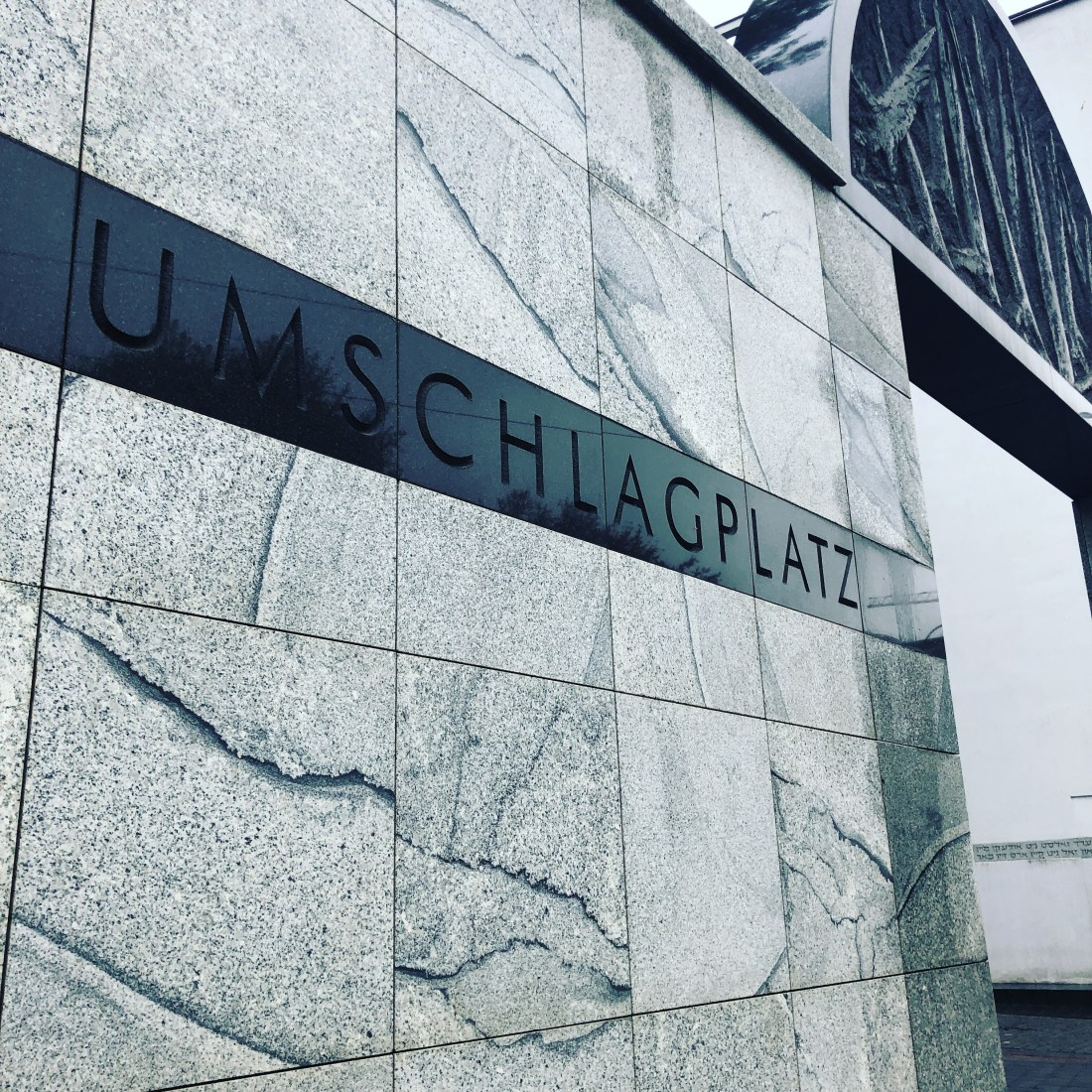
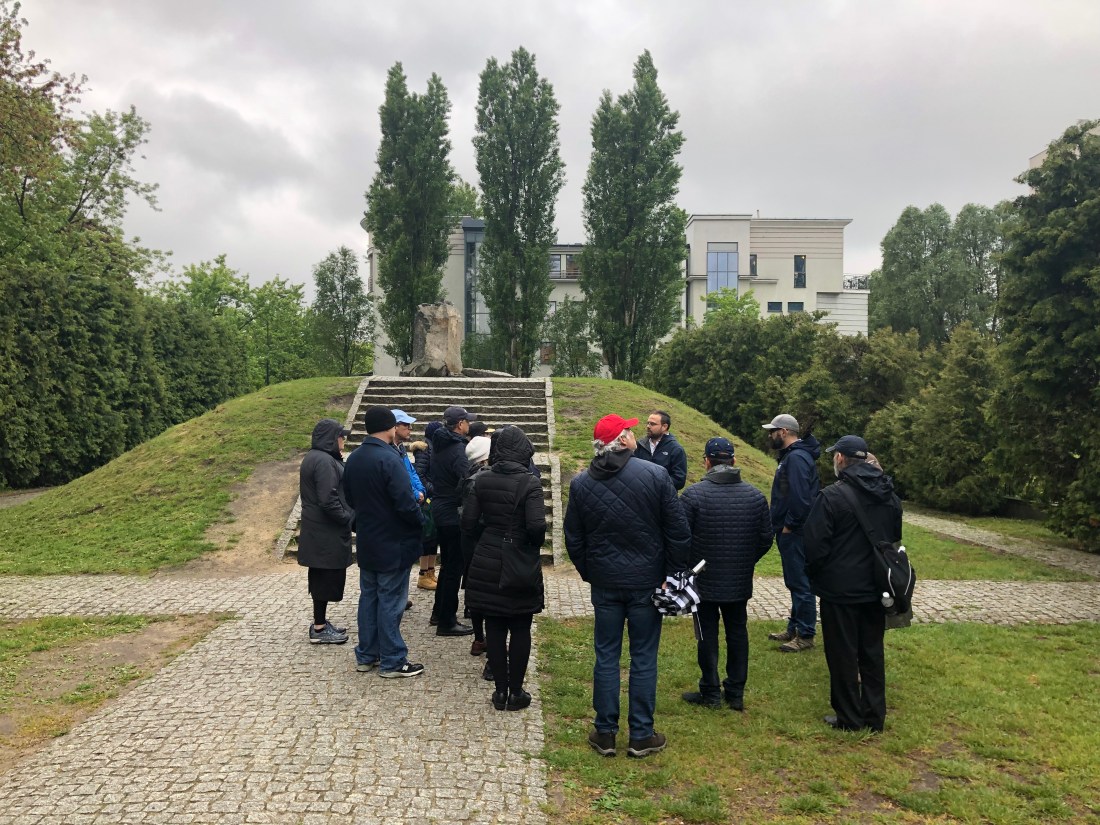
This shocks and scares me. In a span of three years a thriving and affluent population vanished. There was literally nothing left behind. Now there are just monuments scattered between newly constructed apartment buildings. As we stand where Jews were sent to Triblinka, traffic rushes by, the light rail brings commuters home and a band starts playing rock music across the street at a music festival. I’m glad I’m on this trip.




 Journey to Poland